Mastering Emotional Awareness: A Guide to Identifying Feelings
In the realm of creative work, whether you are designing a brand identity, curating a website, or crafting social media graphics, the tools we choose communicate volumes before a single word is read. This principle extends beyond visual assets to the very resources we use for personal and professional development. Today, we are looking at Identifying Feelings: Emotional Regulation, a resource that functions much like a premium design asset for your emotional toolkit. Just as a designer selects a typeface for its clarity and impact, this program offers a structured approach to understanding and managing the complex spectrum of human emotion.
The Visual and Structural Blueprint of Emotional Intelligence
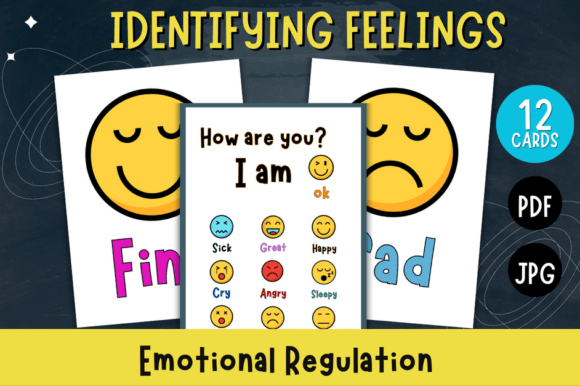
Think of Identifying Feelings: Emotional Regulation not as a simple worksheet, but as a comprehensive design system for self-awareness. The program is built on a foundation of 12 carefully crafted pages, available in both PDF and JPEG formats. This dual-format delivery mirrors the modern designer's need for versatile assets, ensuring the material is accessible for digital review or printable for hands-on activities. The visual approach is clean and purposeful, much like a well-executed sans serif font—prioritizing clarity and direct communication over unnecessary ornamentation.
The personality of this resource is supportive and educational. It doesn't just present information; it guides the user through a process. The style is akin to a thoughtful editorial design, where each page builds upon the last, creating a cohesive narrative. Its overall appeal lies in its practicality. For the entrepreneur managing stress, the marketer navigating team dynamics, or the parent fostering a child's growth, it provides a tangible framework. It transforms abstract feelings into identifiable, manageable concepts, much like a skilled typographer brings order and hierarchy to a page of text.
Strategic Applications: Where This Resource Truly Shines
The utility of Identifying Feelings: Emotional Regulation extends far beyond a single context. Its core strength is its adaptability, making it a valuable addition to various professional and personal scenarios. Consider its application in team leadership or client-facing roles. A brand strategist can use the principles within to better understand audience sentiment, crafting messaging that resonates on a deeper level. A content creator might leverage the insights to produce more empathetic and engaging narratives that connect with their community.
For small business owners and entrepreneurs, emotional regulation is a cornerstone of resilience. This resource acts as a practical guide for managing the inevitable highs and lows of business ownership, from product launch anxieties to customer feedback processing. In the realm of education and parenting, the included activities and discussions provide a structured method for helping children articulate their emotions, laying the groundwork for strong interpersonal skills and positive relationships. It’s a tool for building a more emotionally intelligent culture, whether in a home, a studio, or a startup.
Cultivating Clarity: The Impact on Communication and Design
Just as the right creative font can influence brand perception and audience engagement, developing emotional intelligence directly impacts how we communicate and collaborate. Identifying Feelings: Emotional Regulation enhances this by improving self-awareness, which is the bedrock of effective communication. When you can accurately identify your own feelings, you are better equipped to express your needs and understand others' perspectives. This leads to healthier professional relationships, more productive feedback sessions, and a more cohesive team environment.
In practical terms, this resource helps cultivate a sense of internal consistency and professionalism. A designer who understands their frustration can address a client revision without compromising the relationship. A marketer who recognizes their excitement can temper expectations to deliver a realistic campaign. The exercises in empathy and positive expression are directly transferable to crafting user-centric designs or writing inclusive copy. It’s about developing a personal style guide for emotional responses, ensuring that your reactions are aligned with your professional goals and personal values.
Integrating This Toolkit into Your Creative Practice
Approach Identifying Feelings: Emotional Regulation as you would any new design asset: with intentionality. Begin by reviewing the full 12-page PDF to understand its structure and flow. The JPEG versions are excellent for quick reference or for integrating into digital mood boards focused on personal development themes. Consider how the program’s activities can be adapted for team-building workshops or used as a personal reflective practice before tackling a challenging project.
Evaluate its fit for your specific needs. Are you looking to improve your own emotional resilience, or are you seeking tools to foster better understanding within your team? The versatility of the material allows it to serve both purposes. For those in creative fields, pair the insights from this program with your visual work. A logo design project, for example, could be approached with a heightened awareness of the emotions you wish the brand to evoke, informed by your own deeper understanding of emotional vocabulary.
Ultimately, Identifying Feelings: Emotional Regulation is more than a document; it’s a framework for building a more mindful and emotionally intelligent approach to both life and work. It provides the practical exercises needed to move from simply experiencing emotions to actively understanding and managing them, leading to greater personal clarity and professional effectiveness. Investing in this kind of foundational skill development is an investment in the quality of all your creative and business endeavors.